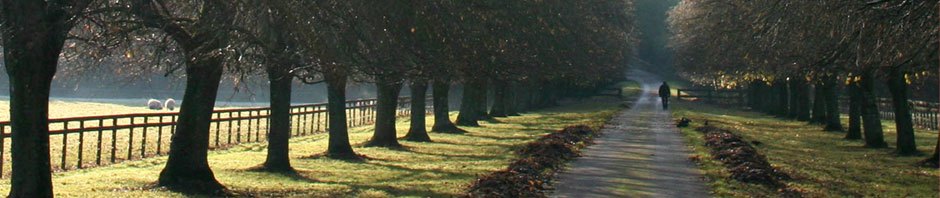
- Remarkable landscapes unfold alongside the famed chicken road in Uganda
- Navigating the Terrain and Planning Your Journey
- Essential Vehicle & Supply Checklist
- The Scenery: A Feast for the Eyes
- The Tea Plantations of the Region
- Encountering Local Culture and Communities
- Respectful Interactions & Etiquette
- Challenges and Safety Considerations
- Beyond the Road: Exploring Nearby Attractions
- The Future of Rural Connectivity and Development
Remarkable landscapes unfold alongside the famed chicken road in Uganda
Uganda, a land renowned for its breathtaking scenery and diverse wildlife, holds a hidden gem for adventurous travellers: the famed chicken road. Locally known as the Kyenjojo-Hoima Road, this route isn’t famous for its poultry population, but rather for its notoriously challenging and often bumpy terrain. It’s a journey that demands patience, a sturdy vehicle, and a spirit for the unconventional, but rewards those willing to brave it with unparalleled views and an authentic taste of rural Ugandan life. This road is more than just a transport link; it's an immersion into the heart of the country.
The allure of the chicken road lies in its isolation and the spectacular landscapes it traverses. Unlike the more polished tourist trails, this path offers a glimpse into the everyday lives of Ugandan communities, unveiling a side of the country that remains largely untouched by mass tourism. Expect dramatic hills, lush valleys teeming with agriculture, and vibrant local markets brimming with fresh produce. It's a route where encounters with friendly locals are commonplace, and where the pace of life slows to a more manageable rhythm. The challenges presented should be balanced against the real rewards on offer.
Navigating the Terrain and Planning Your Journey
The Kyenjojo-Hoima Road derives its nickname from the cautious and somewhat erratic driving style often required to navigate its surface. While improvements have been made over the years, significant portions remain unpaved, riddled with potholes, and prone to becoming muddy during the rainy seasons. A four-wheel drive vehicle is highly recommended, and ideally, one with good ground clearance. Before embarking on this adventure, thorough preparation is crucial. This includes checking the road conditions, packing essential supplies like water, snacks, and a first-aid kit, and informing someone of your travel plans. It’s also wise to have a local guide or driver, particularly if you are unfamiliar with the area. The journey itself is not quick; allow ample time for travel, and embrace the opportunity to stop and soak in the surroundings.
Essential Vehicle & Supply Checklist
Preparing your vehicle is paramount. Ensure you have a spare tire (and know how to change it!), a jack, and basic tools. A high-traction recovery strap can be invaluable if you get stuck in the mud. Beyond the vehicle, consider packing a comprehensive first-aid kit, including medications for common ailments. Water purification tablets or a filter are essential, as safe drinking water may not always be readily available. Power banks for charging electronic devices are also highly recommended, given limited access to electricity. Sunscreen, insect repellent and appropriate clothing for varying weather conditions will contribute to a more comfortable experience. Don't forget a good camera to capture the scenery!
| Item | Importance |
|---|---|
| Four-Wheel Drive Vehicle | Essential |
| Spare Tire | Essential |
| First-Aid Kit | Essential |
| Water Purification | Essential |
Successfully navigating the terrain demands foresight and realistic expectations. A little preparation will make all the difference.
The Scenery: A Feast for the Eyes
The true reward for undertaking the journey along the Kyenjojo-Hoima Road is the breathtaking scenery. The route winds its way through rolling hills covered in tea plantations, offering panoramic views that stretch for miles. Vibrant green valleys are interspersed with small villages, where life unfolds at a distinctly slower pace. The landscape is dotted with traditional homesteads, often surrounded by banana groves and other crops. Keep an eye out for local wildlife, including colorful birds, monkeys, and occasionally, larger mammals. The road also passes near several national parks and conservation areas, providing opportunities for wildlife spotting excursions. It’s a landscape that feels untouched by time, a window into the heart of rural Uganda.
The Tea Plantations of the Region
The region surrounding the Kyenjojo-Hoima Road is renowned for its tea plantations. These vast stretches of neatly terraced fields create a stunning visual spectacle, particularly during the early morning mist. Many plantations offer tours, allowing visitors to learn about the tea-making process from leaf to cup. Sampling the locally grown tea is a must-do experience. The tea industry plays a vital role in the local economy, providing employment and income for many families. Supporting these local businesses through tourism helps sustain the livelihoods of the communities along the road. The rolling hills blanketed in green, a truly unique Ugandan vista.
- The tea plantations offer stunning photographic opportunities.
- Tours provide insight into the tea-making tradition.
- Sampling the local tea is a must-do.
- Supporting tea production boosts the local economy.
The sheer beauty of the region is a constant companion on this route.
Encountering Local Culture and Communities
One of the most enriching aspects of travelling the Kyenjojo-Hoima Road is the opportunity to interact with local communities. The people of this region are known for their warmth, hospitality, and genuine curiosity. Expect to be greeted with smiles and friendly waves as you pass through villages. Stopping at local markets is a great way to experience the vibrant culture and sample local produce. Learn a few basic phrases in the local language (Runyoro or Rutooro) to show respect and enhance your interactions. Be mindful of local customs and traditions, and dress modestly. Supporting local businesses, such as buying handicrafts or dining at roadside eateries, is a way to contribute to the economic well-being of the communities you visit. Remember to ask before taking photographs of people.
Respectful Interactions & Etiquette
When interacting with local communities, remember to be respectful of their culture and traditions. Dress modestly, avoiding revealing clothing. Always ask permission before taking photographs, and offer a small gift as a token of gratitude. Learning a few basic phrases in the local language demonstrates your willingness to connect and shows respect for their culture. Be mindful of noise levels, particularly in residential areas. Avoid discussing sensitive topics such as politics or religion. Embrace the opportunity to learn from your hosts and to share your own experiences. Observational sensitivity makes a big difference.
- Always ask before taking photographs.
- Dress modestly and respectfully.
- Learn a few basic local phrases.
- Support local businesses and artisans.
These interactions can be the most memorable moments on the chicken road, creating a lasting connection with the people of Uganda.
Challenges and Safety Considerations
While the Kyenjojo-Hoima Road offers a unique adventure, it’s important to be aware of the potential challenges and safety considerations. The road conditions can be unpredictable, especially during the rainy seasons, and mechanical breakdowns are not uncommon. Petty theft can occur in some areas, so it’s important to keep valuables secure and be aware of your surroundings. It’s advisable to travel with a companion or in a group. Avoid travelling at night, as visibility is limited and the risk of encountering hazards increases. Ensure you have adequate travel insurance that covers medical emergencies and vehicle breakdowns. Drinking bottled water and practicing good hygiene are essential to prevent illness.
Beyond the Road: Exploring Nearby Attractions
The Kyenjojo-Hoima Road serves as a gateway to a wealth of nearby attractions. Kibale National Park, famous for its chimpanzee tracking, is within relatively easy reach. Semuliki National Park, with its hot springs and abundant birdlife, is another popular destination. The nearby town of Hoima offers a range of accommodation options and services. Exploring these attractions adds another dimension to your adventure, allowing you to experience the diverse landscapes and wildlife of western Uganda. Combining a journey along the chicken road with visits to these nearby parks creates an unforgettable experience. Don’t rush the journey; take time to immerse yourself in the beauty and tranquility of the region.
The Future of Rural Connectivity and Development
Ongoing road improvements aimed at upgrading the Kyenjojo-Hoima Road promise to bring both benefits and potential changes to this region. While better infrastructure will undoubtedly improve accessibility and facilitate trade, it also carries the risk of disrupting the unique character of the area and potentially impacting the traditional way of life for local communities. Sustainable tourism practices that prioritize the preservation of cultural heritage and environmental conservation are crucial. Supporting eco-friendly lodges, engaging local guides, and purchasing locally made products can all contribute to a more responsible and equitable approach to tourism development. The challenge lies in finding a balance between progress and preservation, ensuring that the benefits of development are shared by all.
Furthermore, investment in local skills development and education is essential to empower communities to participate fully in the opportunities created by improved infrastructure. Providing access to training programs in tourism management, hospitality, and sustainable agriculture can help build capacity and create new economic opportunities for local residents. A collaborative approach involving government, private sector, and local communities is vital to ensure that development initiatives are aligned with the needs and aspirations of the people who call this region home, and to protect it for future generations.